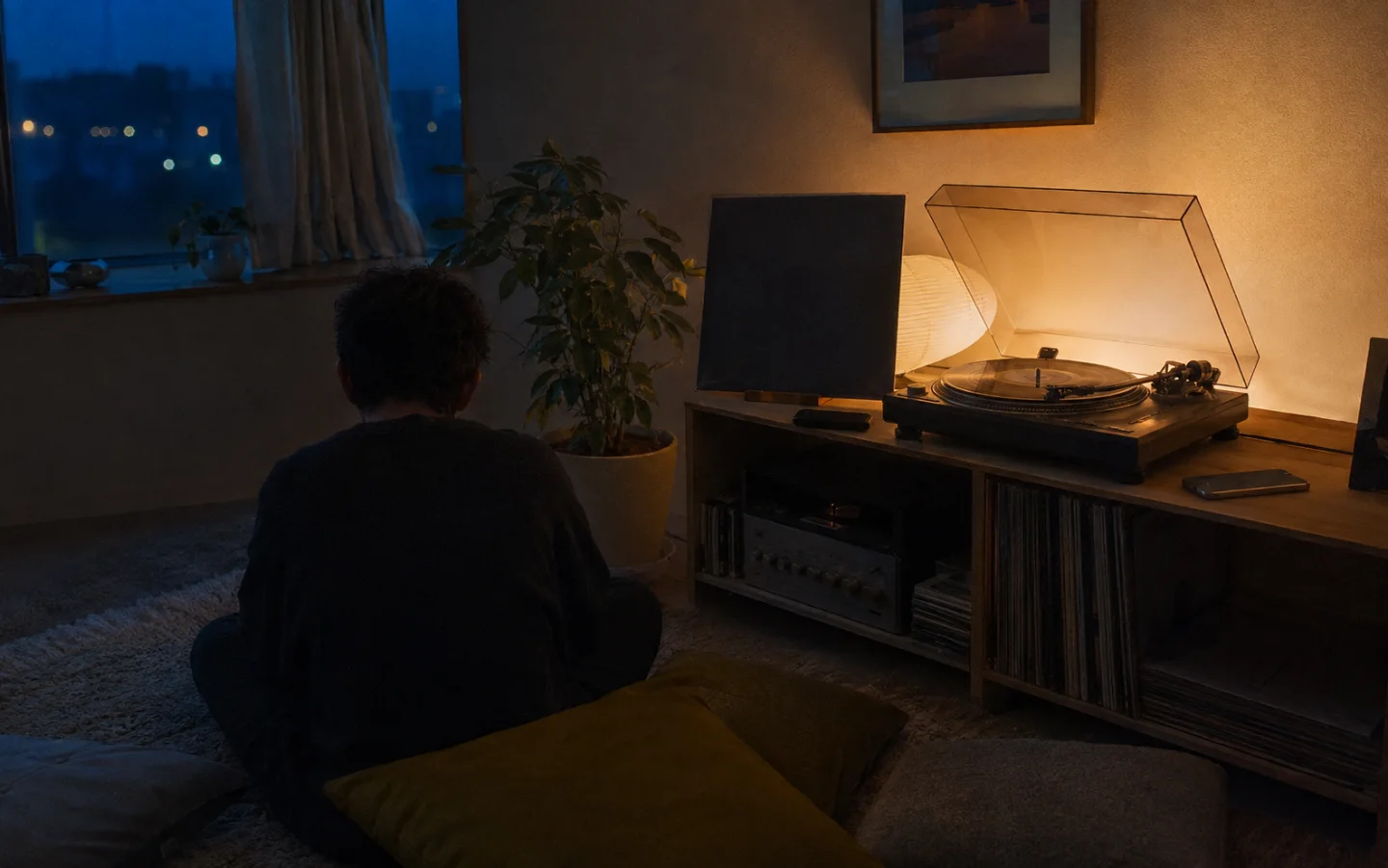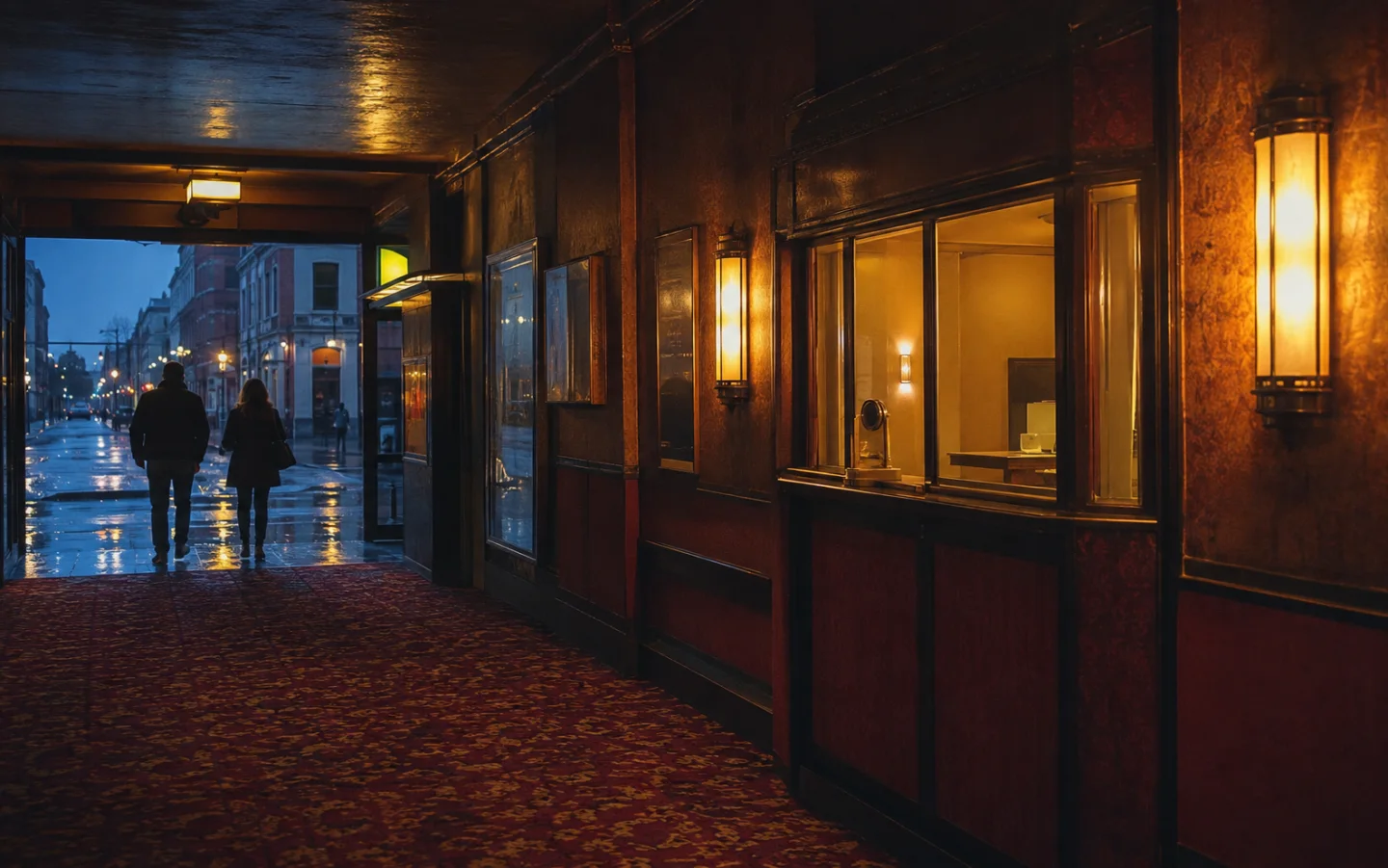
The smallest cinemas cannot compete with a living room on convenience. Their return depends on offering what convenience leaves out.
Method note: This essay separates current attendance data from editorial interpretation. It does not claim that every independent cinema is growing.
A film becomes an appointment
Streaming lets a film begin at any moment, which can make it easier to postpone forever. A cinema fixes the time and place. The commitment seems restrictive until it becomes the reason the film is finally seen.
The journey matters too. Buying a ticket, crossing town and finding a seat form a threshold around the story. When the lights dim, the ordinary evening has already been left behind.
Programmers make the difference
Independent cinemas are strongest when their schedules feel chosen rather than supplied. A restored classic beside a new local film can create a conversation that no recommendation feed would think to arrange.
Introductions, short seasons and late screenings give viewers a reason to trust the room. The audience does not have to know every title. They only need to believe that someone considered why it should be shown now.
Watching together changes the film
A comedy gains timing from a room that laughs at once. A tense scene becomes more physical when a hundred people hold still. Even an awkward ending becomes useful on the pavement outside, where disagreement can continue.
The small cinema survives by making spectatorship social again. Its future may not be built on bigger screens, but on the feeling that this screening happened once, with these people, on this particular night.
The recovery is uneven
Cinema attendance cannot be described with one global comeback story. The European Audiovisual Observatory estimated that worldwide admissions rose in 2025 because of growth in major Asian markets, while admissions fell in Europe and Latin America. The same report says the worldwide box office remained below its pre-pandemic average.
Small venues therefore operate inside a difficult market. Their advantage is not guaranteed demand but the ability to offer a specific reason to leave home: a restored print, a local premiere, a careful introduction or a conversation that cannot be paused and resumed later.
Read a cinema through its program
Look at four weeks of listings rather than one evening. A distinctive program creates relationships between films through retrospectives, repertory screenings, local work and events for different audiences. A schedule made only from the widest releases gives a small cinema little identity beyond its address.
Useful programming also explains itself. Short notes should tell viewers why an older or unfamiliar title is being shown without demanding specialist knowledge. Accessibility details, start times that include introductions and clear information about subtitles are part of that editorial care.
Support that reaches beyond a ticket
If a venue matters to you, join its mailing list, attend a less obvious screening and give direct feedback about access or programming. Membership can help when it offers genuine value, but it should never replace clear ticket pricing for occasional visitors.
A cinema also earns loyalty by respecting the audience. Starting close to the advertised time, keeping sound at a responsible level and separating paid promotions from program notes are ordinary practices. They matter more than nostalgic decor.