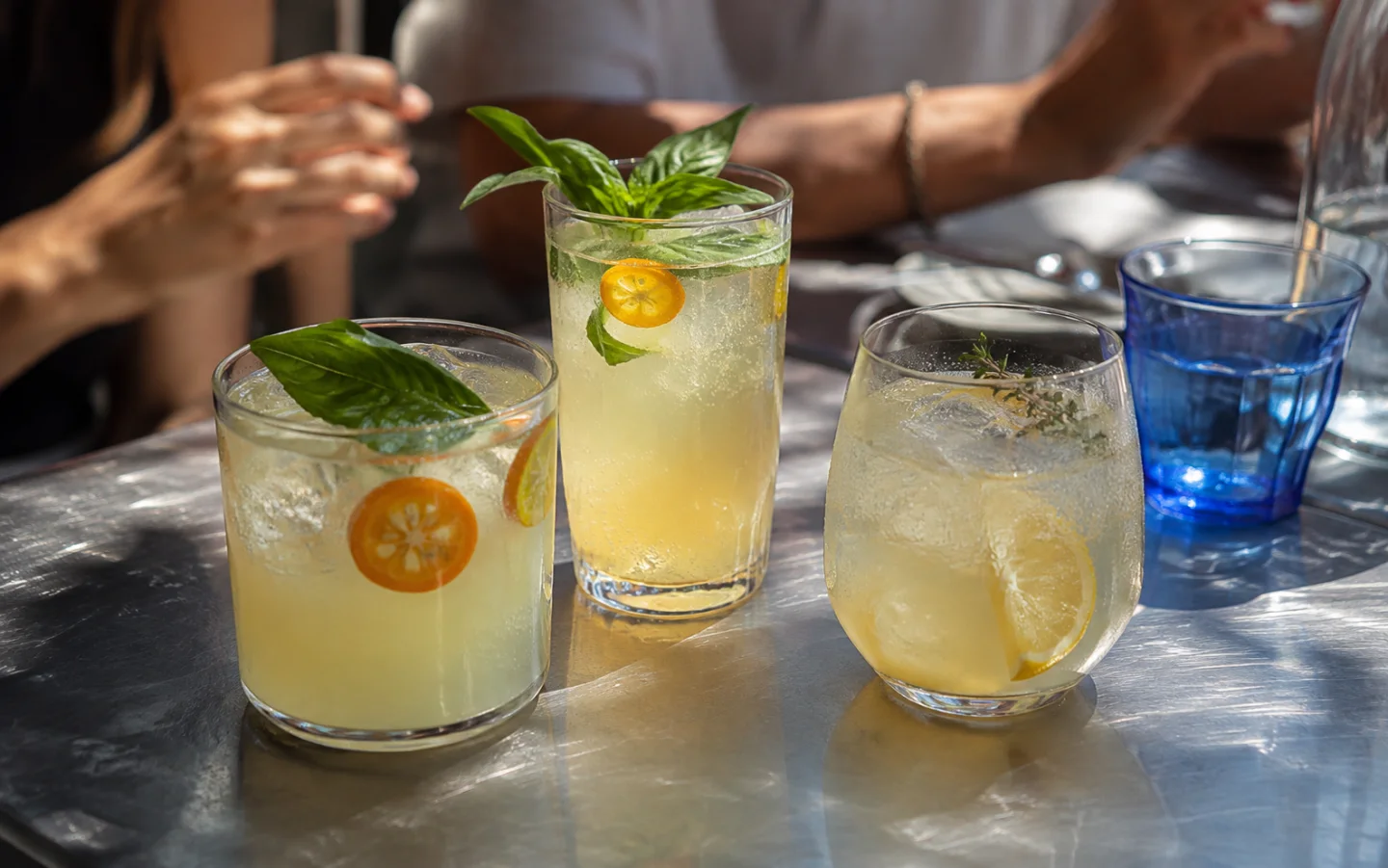
Between coffee and cocktails, a new family of cafe drinks has found room to grow. Citrus soda is simple enough to recognize and open enough to keep changing.
Method note: This guide is for small refrigerated batches served promptly. It is not a tested canning process or shelf-stable preservation recipe.
Bitterness makes room
The most interesting sodas do not hide the peel. Kumquat, grapefruit and green mandarin bring a mild bitterness that stretches the flavor beyond sweetness. Herbs add another direction without turning the glass into dessert.
This balance makes the drink useful at different times of day. It is refreshing at lunch, complex enough for an evening table and light enough to sit beside food without taking over.
A practical cafe signature
For small cafes, house soda offers identity without expensive equipment. A syrup can follow the season, while sparkling water keeps the method consistent. The drink changes through fruit, spice, salt or a branch of something green.
The best versions stay clear about what they are. They taste made rather than engineered, and the ingredients can usually be understood from the first sip.
Build one at home
Start with citrus juice and a little peel, then add less sugar than seems necessary. Chill the mixture before tasting it with sparkling water. Cold and dilution will soften both sweetness and bitterness.
The final drink should leave the mouth ready for another sip. If it feels heavy, add water. If it disappears too quickly, a pinch of salt or a bitter herb may give the flavor somewhere to stand.
Balance before adding bubbles
Build a concentrate from juice, a small amount of finely peeled zest and sugar. Taste it diluted with the same sparkling water you plan to serve because carbonation and cold change perceived sweetness. Add sugar gradually, then use a pinch of salt only if the flavor feels thin rather than simply sour.
Herbs need restraint. Bruise a few leaves and steep briefly, then remove them before they become muddy or harsh. Rosemary and thyme can dominate quickly; basil and mint fade faster. Keep one glass plain so you can compare each adjustment against the starting point.
A repeatable tasting grid
Make three small glasses at the same dilution. Leave the first unchanged, add slightly more acid to the second and slightly more syrup to the third. Taste them cold and with food. This simple comparison is more informative than changing several ingredients in one large batch.
Write the ratio as parts, such as one part concentrate to four parts water, rather than relying on a particular glass. A ratio travels between kitchens and lets the next batch start from evidence instead of memory.
Keep fresh mixtures refrigerated
Fresh fruit and herb syrups are not automatically safe at room temperature. Acidity and sugar concentration vary, and a pleasant taste does not prove shelf stability. Keep this untested version refrigerated in a clean container and make only what will be used promptly.
For long storage or canning, use a tested preservation recipe from a university extension program or the National Center for Home Food Preservation. Do not adapt a casual cafe-style formula into a shelf-stable product by guessing at acidity or processing time.